Don't Bag Those Fallen Leaves: Put Them to Work in Your Yard
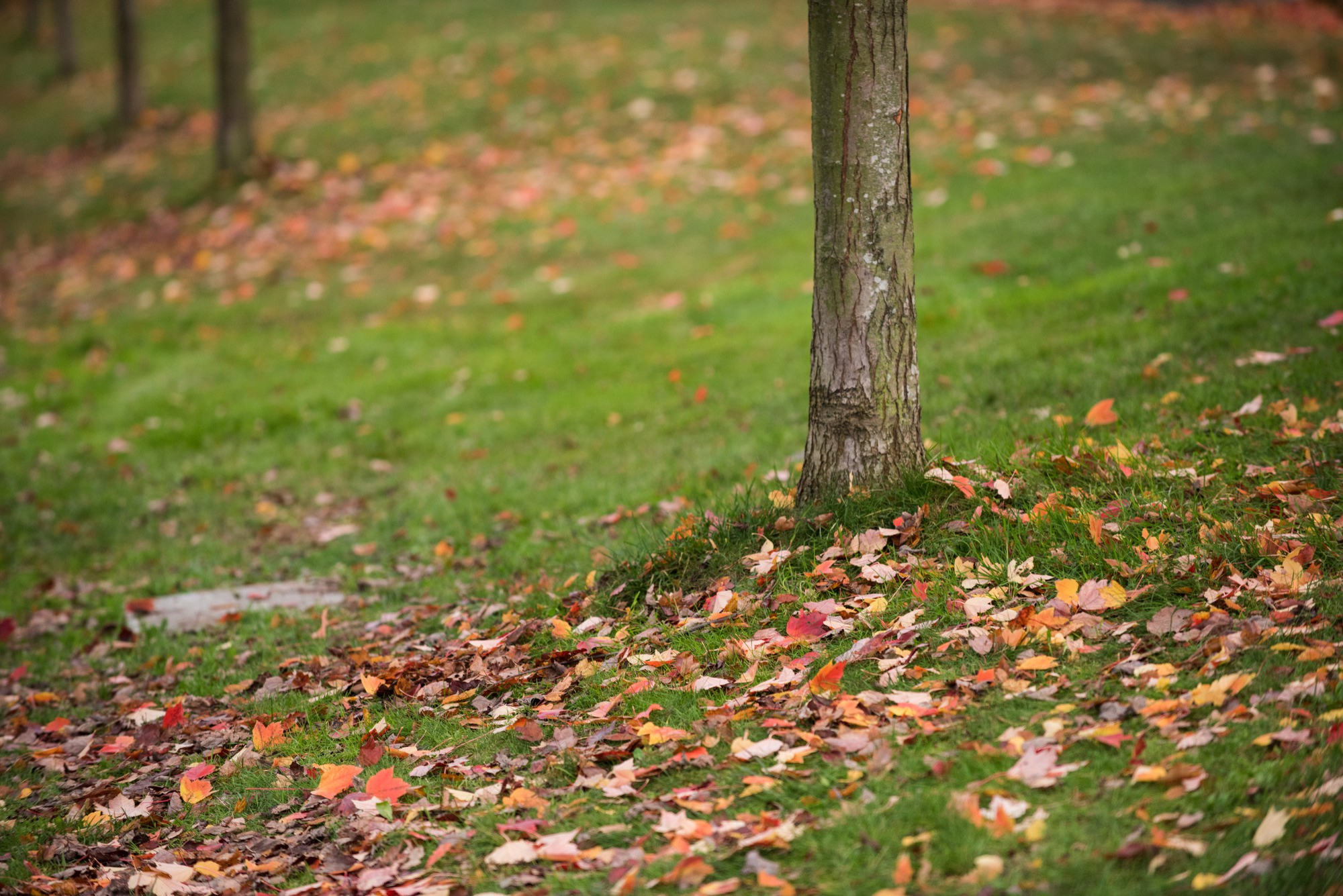
When leaves start covering your lawn, flower beds, and sidewalks, it's tempting to grab a rake and a stack of paper bags. But in Omaha yards, those leaves are worth more staying on the property than leaving it.
As leaves break down, they feed the soil with organic matter and nutrients, improve its structure, and help it hold water. At Cisneros Tree Services, we spend our days looking after trees, so we also pay attention to what happens on the ground beneath them. Here is how to make the most of whatever your trees drop.
Ways to Reuse Your Leaves
The easiest option is to run the mower over a light covering of leaves. They get chopped into small bits that sift down between the grass blades and slowly decompose.
If you garden, a compost pile is another good home for them. Dry leaves mix well with kitchen scraps and fresh grass clippings, and the finished compost is useful for vegetable beds and landscaping.
You can also shred leaves and spread them around shrubs and perennials. This mulch keeps moisture in the soil and softens the swings between warm and cold temperatures.
When There Are Too Many Leaves on the Lawn
A thick, matted layer of whole leaves is hard on turf. It blocks sunlight, traps moisture, and limits airflow, and the grass underneath can thin out or die. If the layer is too deep to mow through, rake it off and send it to the compost bin or a garden bed instead.
Mowing works best when the leaves are dry. Check the lawn after you finish: if you can still see grass through the shredded pieces, you've done enough. Also keep leaves away from storm drains, since rain can wash them into local waterways.
One exception: if your tree's leaves show signs of a serious disease, skip the compost pile. Most backyard piles never get hot enough to kill the organisms responsible, and you could spread the problem to other plants.
Mulching Around Trees and Beds
Shredded leaves make a good natural mulch around the base of trees. Spread them loosely, and keep them a few inches away from the trunk. Mulch packed tightly against the bark holds moisture there and can invite rot and pests.
If your yard produces more leaves than you can use right away, set some aside. Dry leaves kept in a bin or bag become the "brown" material your compost pile needs later, when grass clippings and garden waste start piling up.
A Smarter Way to Handle Leaf Cleanup
Cleaning up doesn't mean clearing away every last leaf. Mow some, compost some, and tuck the rest into your beds, and your soil will be healthier for it.
If your trees need more than a good raking around them, Cisneros Tree Services can help. We handle tree inspections, pruning, trimming, and routine maintenance for Omaha, NE homeowners, and we perform tree removal when it's the right call. Contact our team and we'll help you decide what your trees and yard need.