Are Your Trees Getting Enough Water? A Seasonal Guide for Omaha Homeowners
Watering your trees isn’t just a summer chore. Changes in temperature, rainfall, and soil conditions throughout the year all affect how much moisture trees need to stay healthy. In Nebraska, where hot summers and dry spells can put trees under stress, knowing when and how to water is a big part of good tree care.
At Cisneros Tree Services, we know how important healthy trees are to homes in Omaha, NE. With the right watering habits all year long, homeowners can protect their trees and help them grow stronger root systems.
Adjust Your Watering Routine as the Seasons Change
Trees need different things at different times of the year. Sticking to the same watering schedule in every season can leave them too dry or give their roots too much moisture.
Spring: Support New Growth
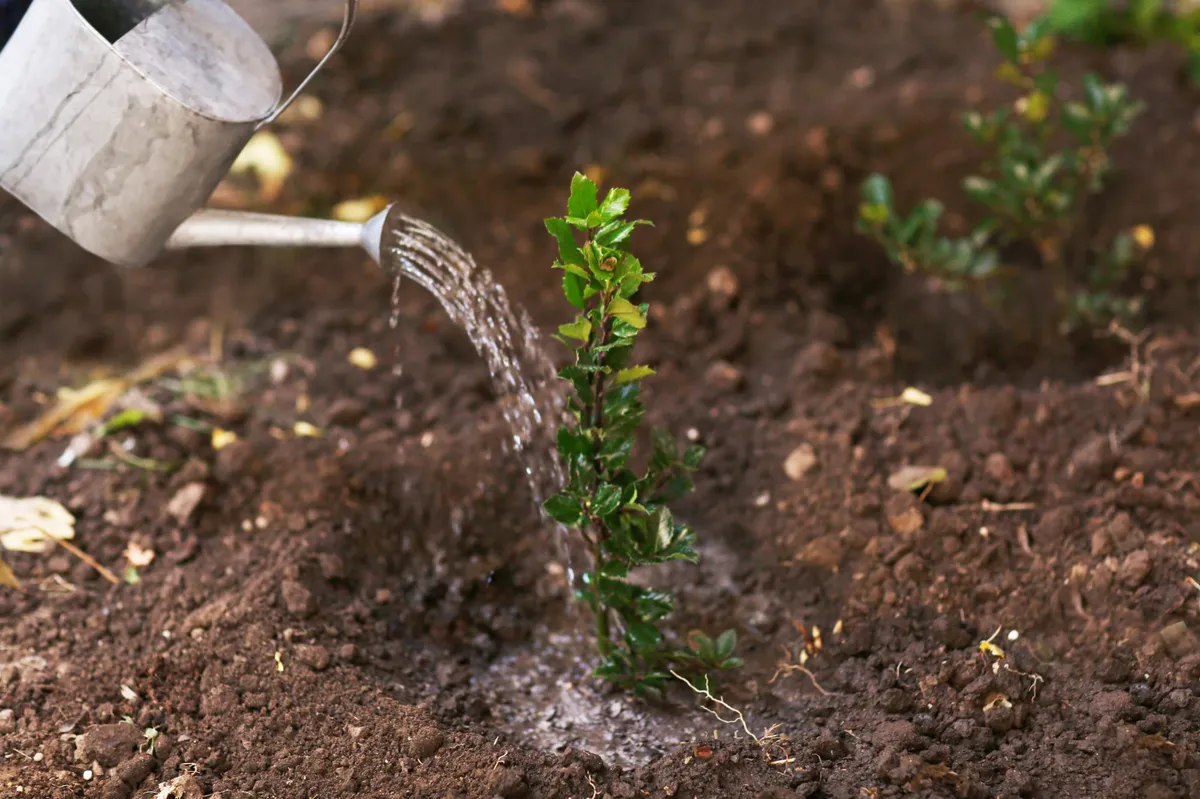
As trees start growing again, they need enough moisture to support new leaves and branches. Spring rain may provide much of what they need, but it’s still a good idea to check the soil during dry stretches. Newly planted trees need a closer eye because their roots are still getting established.
Summer: Watch for Heat and Drought Stress
Nebraska summers can bring high temperatures and long stretches without rain. In those conditions, trees may need extra watering, especially younger trees and species that don’t handle drought well. Water slowly and deeply so the moisture reaches the roots instead of running off the surface.
Fall: Help Trees Prepare for Winter
A dry fall can leave trees short on moisture before the ground freezes. Keep checking the soil and water when there hasn’t been enough rain. As temperatures cool, gradually water less, depending on the weather and how moist the soil is.
Winter: Don’t Forget About Dry Periods
Even when they’re dormant, trees still benefit from having enough moisture in the soil. If Nebraska goes through a long dry spell, consider watering on a mild day when the ground isn’t frozen and the water can soak in.
Water Deeply Without Overwatering
How you water matters just as much as when you water. Frequent, shallow watering may not reach deeper roots, while soil that stays soaked can cut off the roots’ oxygen and contribute to tree decline.
For better results, keep these tips in mind:
Water slowly: Give the water time to soak in instead of letting it run off.
Cover the root zone: Water under the canopy and around the root area, not just right next to the trunk.
Check soil moisture: Look at the soil a few inches below the surface before watering again.
Use mulch the right way: A layer of wood mulch helps hold in moisture and keeps soil temperatures steadier. Just keep it from touching the trunk.
Adjust for rainfall: Water less when the soil already has enough moisture.
Young and newly transplanted trees usually need more frequent checking than established ones. Soil type, tree species, sun exposure, and local weather can also change how quickly the ground dries out.
Recognize the Signs of Water Stress
Trees can’t tell you when they’re thirsty, but their appearance can offer helpful clues. Wilting leaves, brown or crispy edges, early leaf drop, and slower growth may all point to moisture stress.
That said, these same symptoms can also come from root damage, disease, or other environmental problems. Before you water more, check the soil to see whether it’s actually dry. Adding water to soil that’s already saturated can make things worse.
Keeping an eye on your trees regularly helps you notice changes early and decide whether to adjust your watering routine or call in a professional.
Keep Your Trees Healthy in Omaha, NE
Good tree care means paying attention to changing conditions all year. By adjusting your watering habits, protecting the root zone, and keeping an eye on your trees’ health, you can help them handle Nebraska’s changing weather.
Cisneros Tree Services provides professional tree care in Omaha, NE, including tree inspections, pruning, trimming, maintenance, and removal when necessary. If your trees show signs of stress or you’re not sure what care they need, our team can help you understand their condition and decide on the next steps.