Your Tree
Service Experts
Serving Omaha And Surrounding Areas
We Specialize In
Tree Removal and24/7 Emergency Services
Whether you need a tree removed for aesthetic reasons or it has become dangerous, we can handle your request. We can remove standing trees or trees that have fallen on any property or if it is in the middle of the street.
Tree Trimming and Pruning
Tree trimming and pruning services are essential in tree care. It is necessary to sustain your tree's health, stimulate growth and retain its natural appearance. Our experienced team will make sure to maintain your trees for you so you don't risk cutting them incorrectly and causing serious damage to your prized trees.
Stump Grinding and Removal
Let our professional team grind the unsightly stump or remove it completely. We want to make sure that you are satisfied with our work and will take note of your concerns.
OUR TREE SERVICE HANDLES
PROJECTSOF ANY SIZE
Whether you need a tree removal service for a construction project, or you need tree trimming to beautify your property, Cisneros Tree Service can tackle it. Our crews have extensive training, skills, and equipment to handle any kind of tree service, from removing diseased branches, to tree stump removal, to reshaping old growth of massive trees.
We can even plant trees to replace what we remove!
Residential and Commercial
Tree Experts
At Cisneros Tree Service, we are led by an ISA-certified arborist with over 18 years of experience, proudly serving Omaha and the surrounding communities. Guided by safety, excellence, integrity, teamwork, and leadership, we deliver expert tree care that protects and enhances your property. We are also proud to be the first Latino-owned tree service company in Omaha to earn TCIA accreditation and one of only three accredited companies in the region.
You may also call for a free estimate.
We are your local tree service experts!
Discover More About Your Trees Through
Our Blog
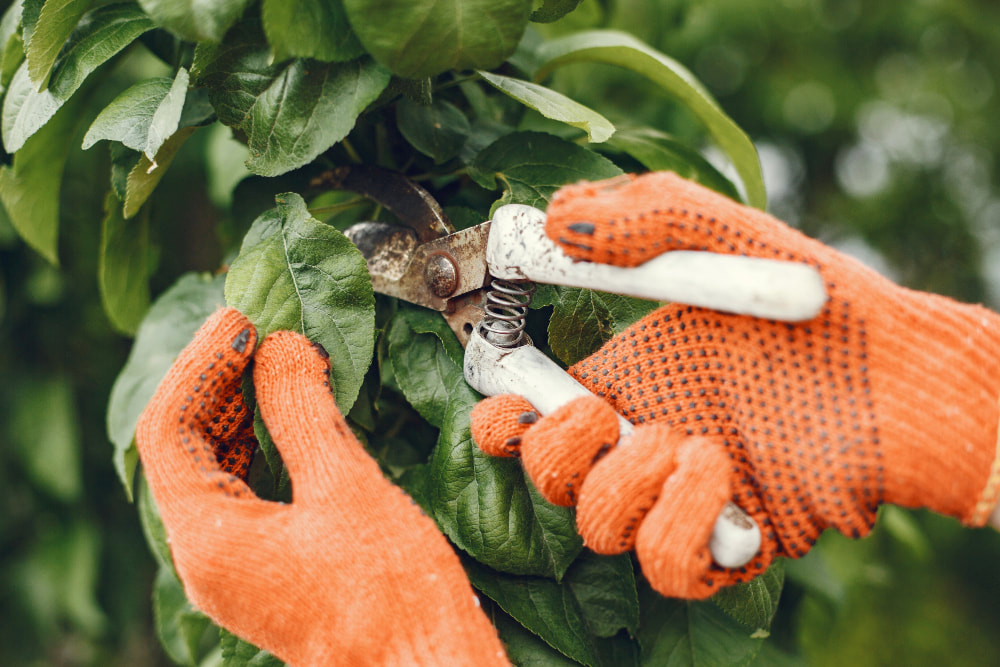
Proactive Tree Care & Health Services in Omaha, NE
At Cisneros Tree Service, we see trees as the heart of your landscape—a living investment that grows more valuable with the right care, enhancing your home’s beauty and safety for years to come. Proud... ...more
Tree Care
February 18, 2026•2 min read
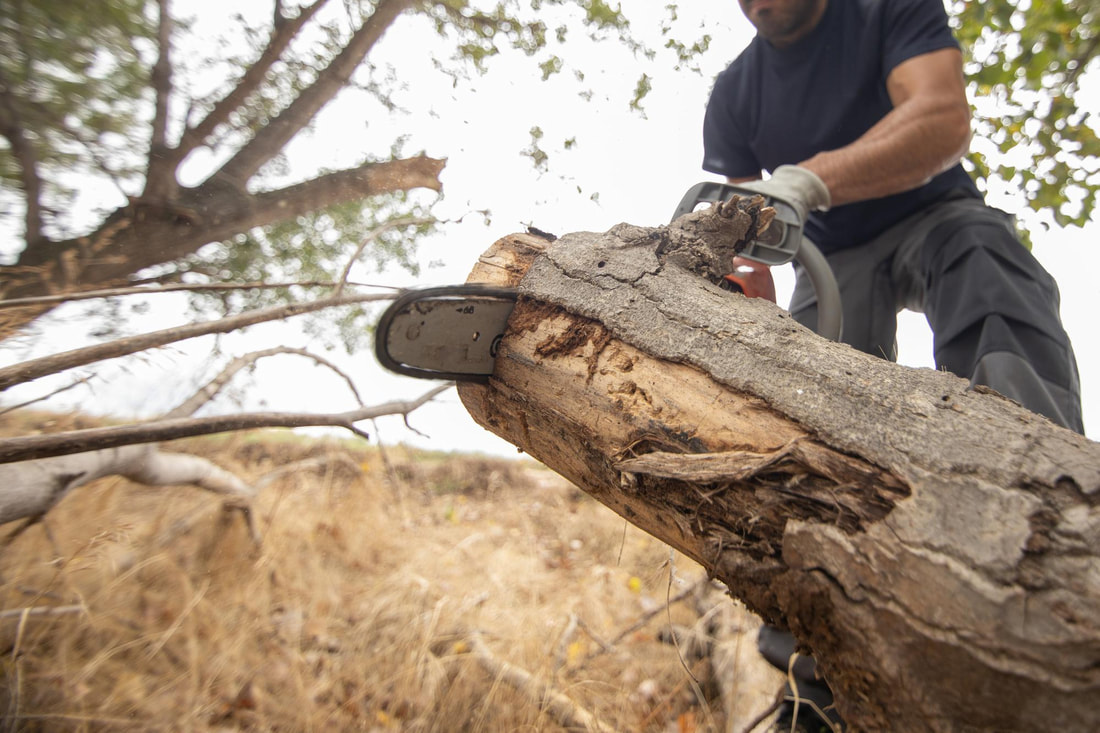
Professional Arborist Services in Omaha, NE
If you’re looking for a professional arborist in Omaha, NE, choosing a qualified expert is essential for safe and effective tree care. ...more
Tree Care
February 18, 2026•2 min read
Mature Tree Care: How to Protect and Grow the Value of Your Trees - Copy
Mature trees are a long-term investment for any property or community. As trees age, their value increases by enhancing landscapes, improving air quality, reducing energy costs through shade and wind ... ...more
Tree Care
February 17, 2026•2 min read